Thermography in Bundaberg
- Thermal Imaging - Inspections that detect electrical faults before they cause damage.
- Non-Invasive – Thermography services for residential and commercial properties.
- Early Detection – Catch hidden hotspots and avoid costly repairs or downtime.
Hidden Faults Found
See What Standard Inspections Can Miss
Most electrical faults do not announce themselves. They build slowly inside switchboards, connections and cables, generating heat long before anything trips, sparks or fails visibly. Thermal imaging, or thermography, is the most reliable way to find those problems early.
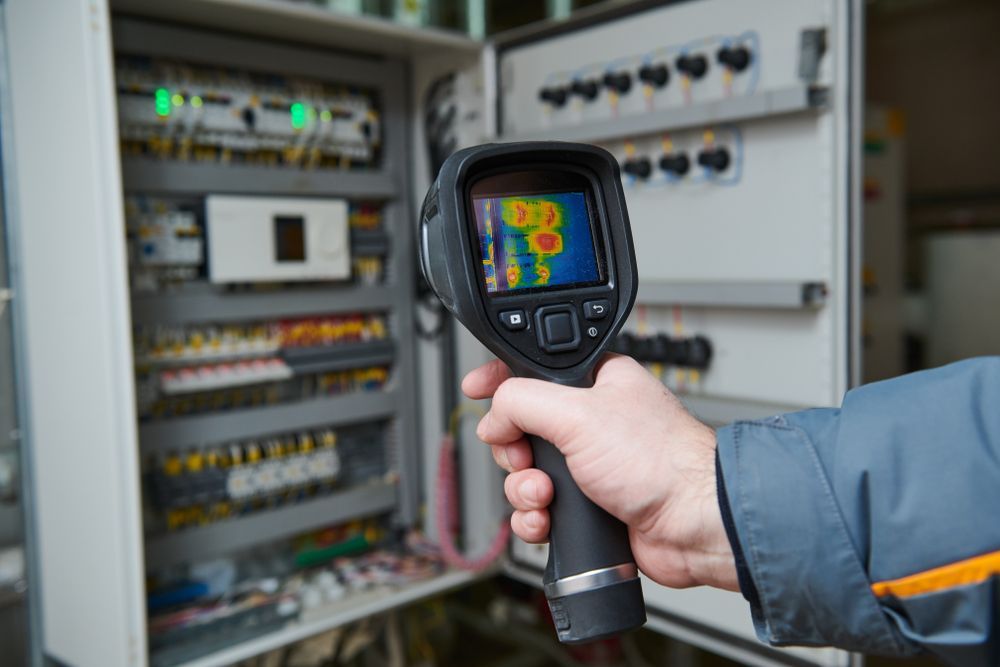
At Enterprise Air, we use professional-grade infrared camera technology to inspect electrical installations across Bundaberg, identifying hotspots, overloaded circuits, loose connections and failing components that a standard visual inspection simply cannot detect. Our process is entirely non-invasive. We do not need to shut down equipment or pull apart panels to get an accurate picture of what is happening inside your electrical system.
For businesses where downtime is costly and safety is non-negotiable, a thermography inspection is one of the most practical investments you can make, so call us on (07) 4154 3211 to book an inspection.
Detect Early
No Downtime
Informed Decisions
Working for You
How Thermography Protects Your Property
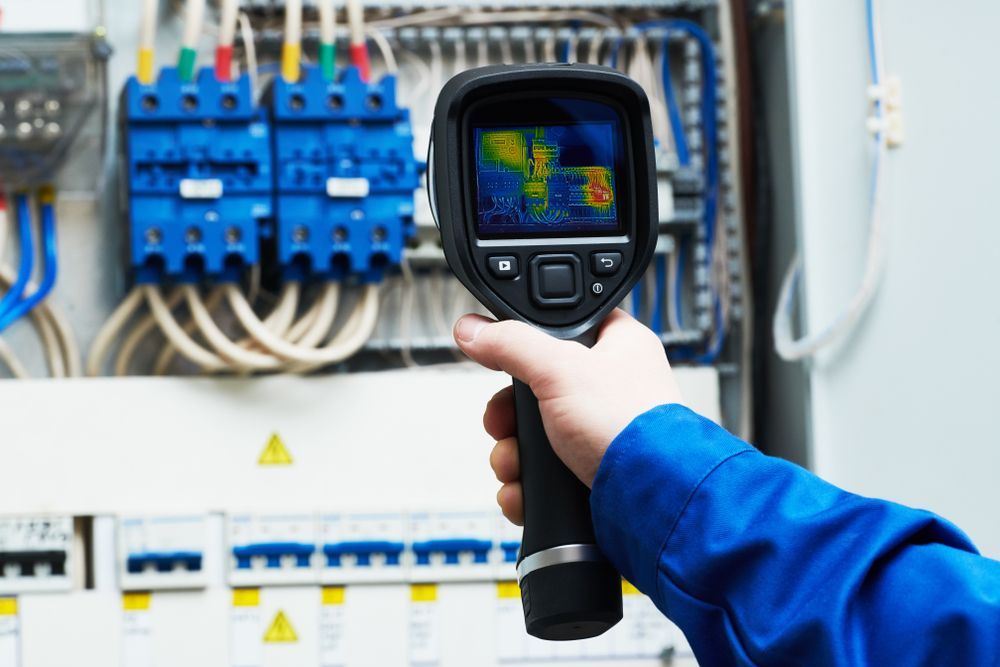
Infrared thermography works by detecting the heat signatures that electrical components emit when they are under stress, overloaded or beginning to fail. Our thermal cameras pick up temperature variations that are completely invisible to the naked eye, allowing our licensed electricians to pinpoint problem areas with precision before any visible damage occurs. Common findings include loose or corroded connections, unbalanced loads across phases, overloaded cables, failing switchboard components and deteriorating insulation.
Each of these issues carries real risk if left unaddressed, ranging from equipment damage and unexpected outages to electrical fires. After every thermography inspection, we provide a detailed report with thermal images, findings and recommended actions, giving you a clear picture of your installation's condition and a documented record for insurance and compliance purposes.
contact us
Send Us a Message
Thank you for contacting Enterprise Air That's Cool.
We will get back to you as soon as possible.
Oops, there was an error sending your message.
Please try again later.
FAQs
Everything You Need To Know
What is electrical thermography and how does it work?
Electrical thermography is a non-invasive inspection technique that uses an infrared camera to detect heat generated by electrical components under load. When electrical connections are loose, components are overloaded or insulation is deteriorating, they produce excess heat that shows up as hotspots in a thermal image. Because the inspection is carried out while the system is live and under normal operating conditions, it gives a true picture of how the installation is performing in real use. The results are captured as thermal images and documented in a report for the property owner.
How often should a thermography inspection be carried out on a commercial property?
For most commercial and industrial properties, an annual thermography inspection is considered best practice. Higher-risk environments such as manufacturing facilities, data centres, hospitals and hospitality venues may benefit from more frequent inspections given the consequence of an unplanned outage or electrical fire. Many insurance providers also recommend or require thermography inspections as part of a broader electrical maintenance program, and having a recent report on file can support insurance claims and demonstrate due diligence in the event of an incident.
Can thermography detect problems that a standard electrical inspection misses?
Yes, and this is the primary reason thermography is used alongside rather than instead of standard inspections. A visual inspection can identify obvious physical damage, incorrect installations and non-compliant work, but it cannot detect heat building inside a connection, behind a panel or within a cable that appears intact on the outside. Thermography fills that gap by revealing faults that are invisible until they cause a failure. In many cases, issues found through thermal imaging would not have been identified until a component failed, a circuit tripped or in the worst case a fire started.