Solar Design in Bundaberg
- Expert Design - Solar systems designed around your property, usage and long-term goals.
- Ongoing Support – We service and maintain your solar system to keep it performing.
- Local Team– Bundaberg-based solar specialists who know the local conditions inside and out.
Designed for You
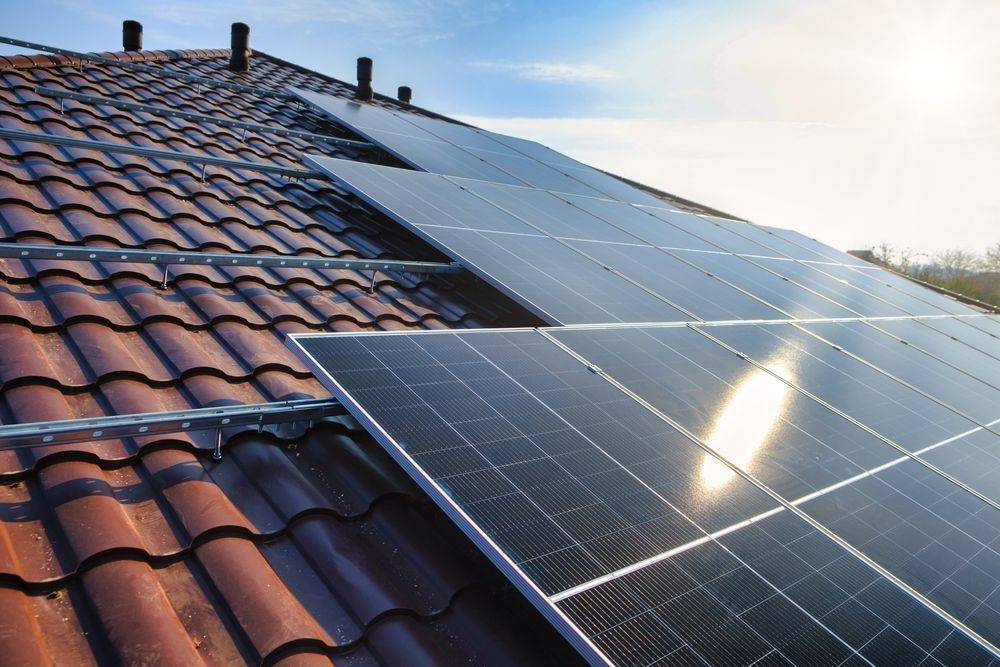
Get the Most From Your Roof
A solar system is only as good as the design behind it. Too many installations are sized and positioned based on what is quickest to install rather than what will actually perform best for the property.
At Enterprise Air, we take a different approach. Our solar design process starts with a proper assessment of your roof orientation, shading, available space and energy consumption before a single panel is specified. We use that information to design a system that maximises your solar generation across the full year, not just on the best days. Getting the design right upfront also means your system integrates cleanly with any future additions like battery storage or an electric vehicle charger.
For homeowners and businesses in Bundaberg looking to get the most out of their solar investment, the design stage is where it all starts. Call us on (07) 4154 3211 to arrange an assessment.
Smart Design
Maximum Output
Future Proof
Stay Performing
Servicing to Protect Your Investment
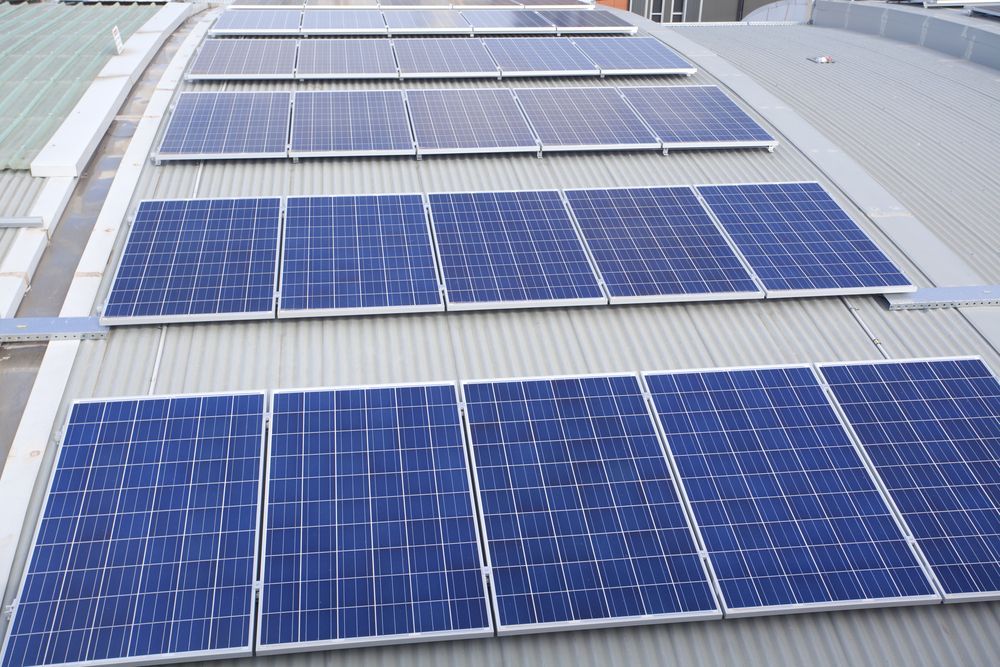
Once your solar system is installed, keeping it well maintained is the best way to protect the return on your investment. Solar panels and inverters are generally low maintenance, but they are not no maintenance. Dust, debris, bird activity and weathering all affect panel output over time, and inverter faults or wiring issues can go unnoticed without a proper inspection.
Our team carries out solar servicing for both systems we have installed and those installed by others, covering panel cleaning, inverter health checks, wiring inspections, DC isolator testing and performance monitoring.
We also help customers understand their system data so they can identify when output drops below what it should be. Catching a performance issue early is far less costly than discovering a fault has been quietly costing you money for months.
contact us
Send Us a Message
Thank you for contacting Enterprise Air That's Cool.
We will get back to you as soon as possible.
Oops, there was an error sending your message.
Please try again later.
FAQs
Everything You Need To Know
How often should a solar system be serviced in Queensland?
Most solar manufacturers and industry bodies recommend having your solar system professionally inspected at least every two years, with annual checks in environments with high dust, salt air or significant bird activity. A service visit typically covers panel cleaning, a visual inspection of mounting hardware and wiring, inverter performance checks and a review of system output data. Queensland's climate, with its intense UV, high humidity and storm activity, can accelerate wear on components compared to cooler southern states, making regular servicing particularly important for maintaining long-term system performance.
What does a solar system design assessment involve?
A solar design assessment starts with a review of your electricity bills to understand your usage patterns and identify the best system size for your needs. Your installer will also assess your roof space, orientation and pitch, any shading from trees or neighbouring buildings and the structural condition of your roof. From there, a system layout is designed to maximise panel output across different times of day and different seasons. The assessment also considers your future plans, such as adding battery storage or an electric vehicle charger, so the system is designed with the right capacity and inverter specification from the outset.
Can a solar system be redesigned or expanded after installation?
Yes, most solar systems can be expanded by adding more panels, upgrading to a larger inverter or adding battery storage after the initial installation. Whether an expansion is straightforward depends on the capacity of your existing inverter, the available roof space and the specifications of the original installation. In some cases, the existing inverter can accommodate additional panels without replacement. In others, an upgrade is needed to support a larger array. The best approach is to have a qualified solar installer assess your current system before purchasing additional components to make sure everything will work together correctly.