Solar Installations in Bundaberg
- Accredited Installers - Clean, compliant solar installations for homes and businesses in Bundaberg.
- End to End – We handle everything from design and supply through to final connection.
- Done Right – Every installation completed to Australian standards and backed by our workmanship.
Installed With Care
Solar Handled from Start to Finish
Having the right system designed for your property is only half the job. The quality of the installation itself has a direct impact on how well your solar system performs and how long it lasts. At Enterprise Air, our accredited solar installers carry out residential and commercial solar installations across Bundaberg with the same attention to detail we bring to every trade we work in.
We manage the full process, from confirming the system design and sourcing equipment through to mounting, wiring, inverter commissioning and grid connection. Every installation is carried out to Clean Energy Council standards and complies with Australian wiring rules, so you can be confident your system is safe, grid-compliant and performing as it should from day one.
We'll handle all the necessary paperwork, including your Small-scale Technology Certificates and network connection documentation. Call us on (07) 4154 3211 to get your installation underway.
Accredited Team
Grid Compliant
Paperwork Handled
Ready to Generate
What to Expect on Installation Day
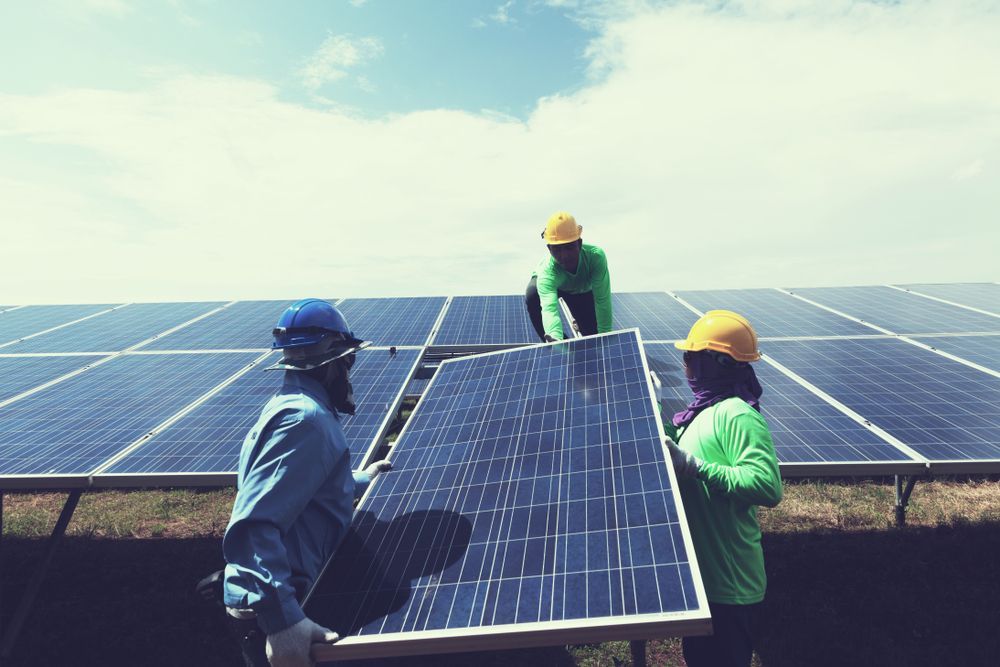
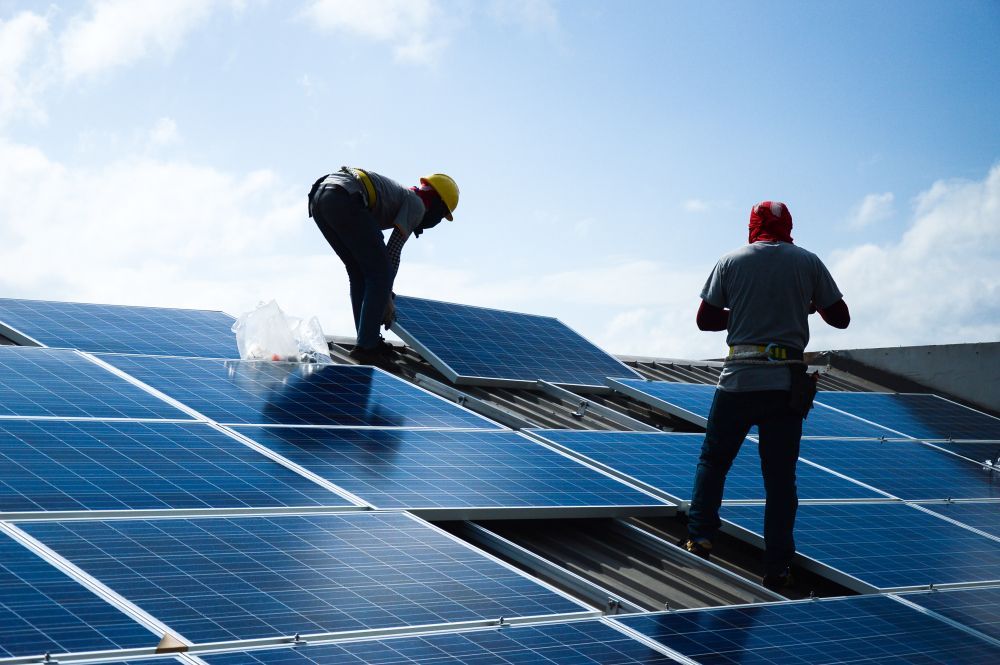
A lot of customers are unsure what a solar installation actually involves on the day, and we think it helps to know what to expect. Our team will arrive with all the equipment needed to complete the job and will start by confirming the roof layout and panel positioning before any work begins.
Panel mounting brackets are fixed to the roof structure, panels are secured and wired in the correct configuration, and DC cabling is run to the inverter location. The inverter is then mounted, connected and commissioned, and the system is tested to confirm it is generating correctly before we leave the site.
Most standard residential installations are completed within a single day. We will also walk you through the inverter display and monitoring app so you understand how to keep an eye on your system's performance going forward.
contact us
Send Us a Message
Thank you for contacting Enterprise Air That's Cool.
We will get back to you as soon as possible.
Oops, there was an error sending your message.
Please try again later.
FAQs
Everything You Need To Know
What accreditations should a solar installer have in Queensland?
In Queensland, solar installers must hold a Clean Energy Council accreditation to install grid-connected solar systems and have the installation eligible for Small-scale Technology Certificates. They must also hold a Queensland electrical contractor licence, as the grid connection work involves licensed electrical work. When choosing a solar installer, it is worth asking to see both their CEC accreditation and their electrical contractor licence number. Installers who hold both credentials are qualified to carry out the full scope of the installation legally and to the required standard.
How long does a residential solar installation take?
Most standard residential solar installations are completed within a single day. The timeline depends on the size of the system, the complexity of the roof layout and how straightforward the inverter and switchboard connection is. Larger commercial installations or those involving battery storage typically take longer and may be scheduled across more than one day. Once the installation is complete, the network connection application is submitted to your electricity distributor, which can take a few days to process before your system is officially approved to export to the grid.
Can solar panels be installed on any type of roof?
Solar panels can be installed on most common roof types in Australia including metal, tile, concrete tile and Colorbond roofing. The suitability of a roof for solar depends on its structural condition, pitch, orientation and available unshaded space rather than the material alone. North-facing roof sections with a pitch between 15 and 30 degrees generally produce the best results in Queensland. East and west-facing roofs can also work well and may better match household usage patterns in some cases. A solar installer will assess your roof as part of the design process and advise on the best panel layout for your specific situation.