Electrical Statutory Maintenance in Bundaberg
- Licensed Contractors - Keeping your electrical systems compliant and safe year round.
- Scheduled Maintenance – Programs tailored to residential and commercial properties in Bundaberg.
- Documentation Handling – We handle the paperwork so you can focus on your business.
Protect Your Business
Keeping Your Systems Safe & Compliant
Statutory electrical maintenance is one of those things that quietly protects your business until the day it doesn't get done. In Queensland, commercial and industrial property owners have a legal obligation to ensure their electrical installations are regularly inspected, tested and maintained to the standards set out under the Electrical Safety Act.
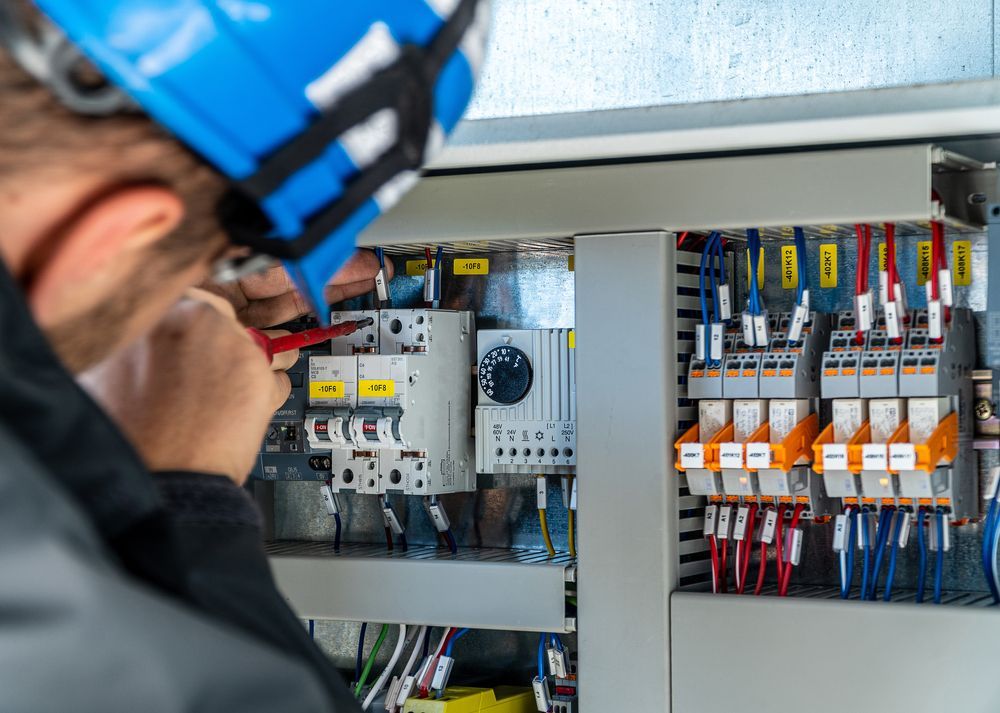
Enterprise Air provides statutory electrical maintenance services across Bundaberg, working with businesses, property managers and body corporates to keep installations compliant and hazard-free. Our licensed electrical contractors carry out thorough inspections, test and tag equipment, check switchboards and identify anything that needs attention before it becomes a problem. Having a scheduled maintenance program in place also makes audits and insurance assessments significantly easier to manage.
Reach out to us today on (07) 4154 3211 to discuss a maintenance schedule that suits your property.
Stay Compliant
Reduce Risk
Scheduled Inspections
Working Around You
What Statutory Maintenance Covers
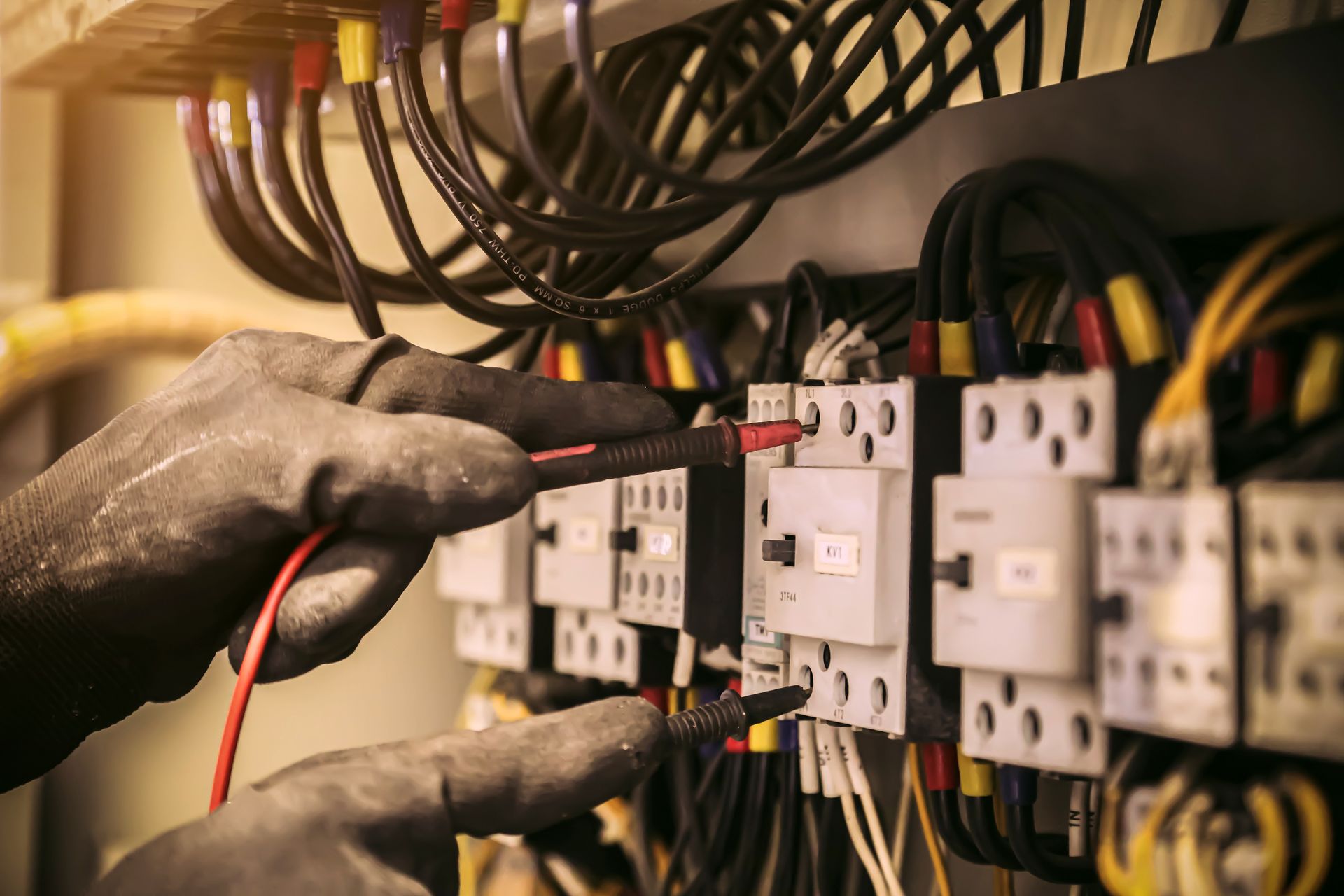
A lot of business owners are unsure exactly what statutory electrical maintenance involves, and that uncertainty can lead to gaps in compliance that create real liability. Our team works through a structured inspection process that covers all the key areas of your electrical installation. This includes testing and tagging of portable appliances, inspection of switchboards and distribution boards, thermal imaging to identify hotspots that are invisible to the naked eye, checking of safety switches and circuit protection devices and verification that all installations meet current Australian standards.
We document everything and provide a clear report at the end of each service, so you always have a complete record of your compliance history. For businesses operating in regulated industries or managing multiple tenancies, that paper trail is genuinely valuable.
contact us
Send Us a Message
Thank you for contacting Enterprise Air That's Cool.
We will get back to you as soon as possible.
Oops, there was an error sending your message.
Please try again later.
FAQs
Everything You Need To Know
What is statutory electrical maintenance and who is responsible for it in Queensland?
Statutory electrical maintenance refers to the regular inspection, testing and upkeep of electrical installations required under Queensland's Electrical Safety Act 2002 and associated regulations. In Queensland, the person in control of a workplace or electrical installation is responsible for ensuring it is maintained in a safe and compliant condition. This typically applies to business owners, property managers, body corporates and employers. Failure to meet these obligations can result in significant fines and, more seriously, creates genuine safety risks for occupants and workers on the premises.
How often does electrical maintenance need to be carried out on a commercial property?
The required frequency of electrical maintenance depends on the type of installation, the industry and the specific equipment involved. For most commercial properties, a general electrical inspection should be carried out at least every five years, though higher-risk environments such as manufacturing, hospitality and healthcare facilities often require more frequent checks. Test and tag intervals for portable appliances also vary depending on the environment, ranging from three months in harsh conditions to two years in low-risk office settings. A licensed electrical contractor can assess your specific situation and recommend an appropriate schedule.
What is the difference between test and tag and a full electrical inspection?
Test and tag refers specifically to the testing and labelling of portable electrical appliances to confirm they are safe to use. It involves a visual inspection and an electrical test using a portable appliance tester, followed by a tag indicating the test date and next due date. A full electrical inspection covers the fixed wiring, switchboards, safety switches, circuit protection and the overall condition of the electrical installation. Both are important components of a complete statutory maintenance program and serve different but complementary purposes.